
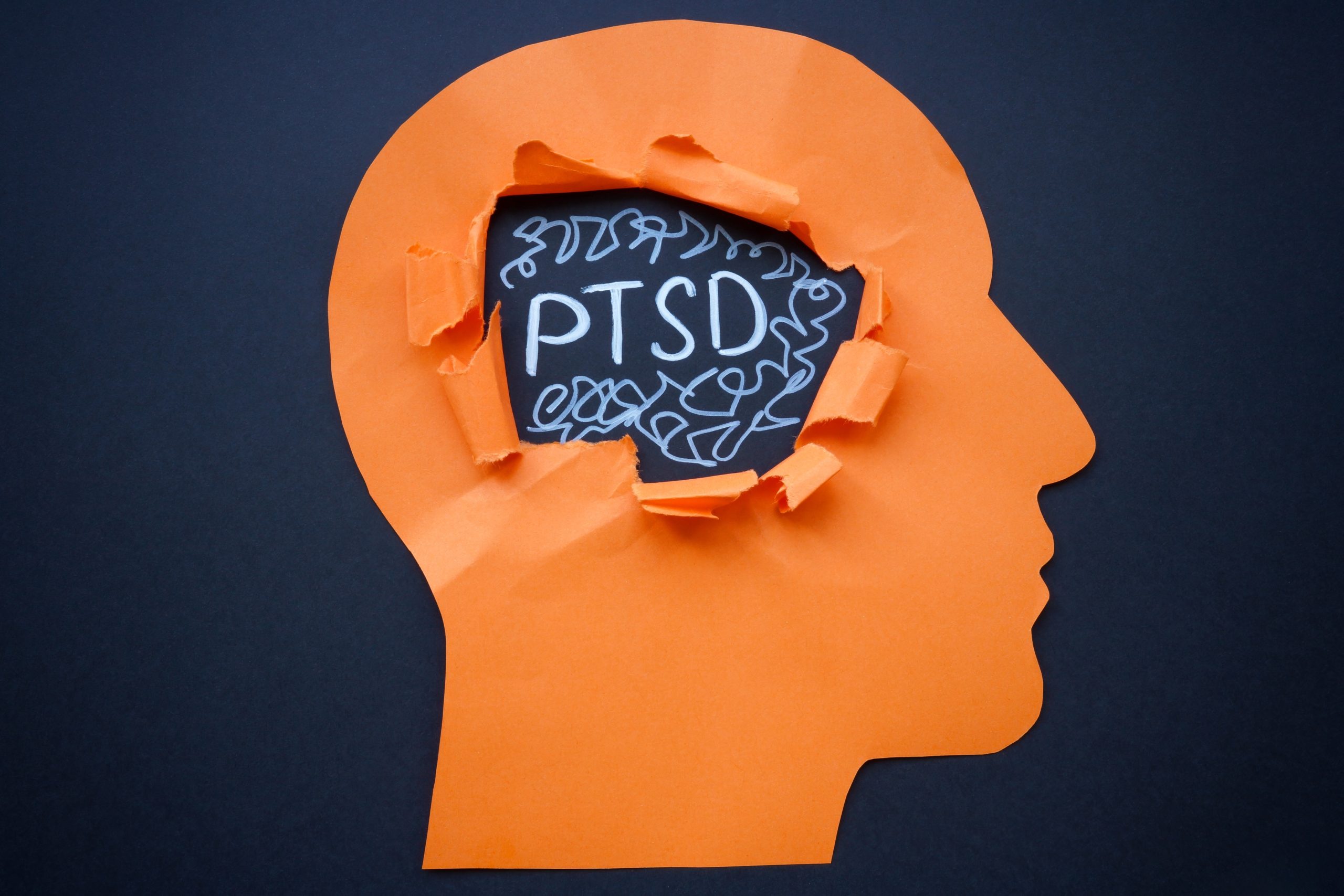
When the Past Doesn’t Feel Like It’s Over
Post-Traumatic Stress Disorder (PTSD) can make it feel like a traumatic experience is still happening — even long after the event has ended. Memories may surface suddenly. Your body may react before your mind understands what’s happening. Sleep may feel unsafe. Everyday situations may trigger intense emotional or physical responses.
If you feel stuck in survival mode, you’re not alone — and healing is possible.
How PTSD Often Feels
Trauma affects the nervous system. For some people, the brain remains on high alert long after danger has passed.
You may recognize experiences such as:
- Intrusive memories or flashbacks
- Nightmares or disturbed sleep
- Sudden emotional reactions to reminders of the event
- Avoiding places, conversations, or situations that feel triggering
- Feeling constantly “on edge” or hyperaware
- Startling easily or feeling unsafe without clear reason
- Emotional numbness or detachment
- Difficulty trusting others
These reactions are not signs of weakness. They are signs that your nervous system is still trying to protect you.
The Four Core Symptom Patterns of PTSD
PTSD symptoms typically fall into four main categories:
Intrusive Memories
Unwanted thoughts, flashbacks, or distressing dreams related to the traumatic event.
Avoidance
Efforts to avoid reminders — whether external situations or internal thoughts and emotions.
Negative Changes in Thinking and Mood
Persistent guilt, shame, fear, anger, hopelessness, or loss of interest in activities once enjoyed.
Changes in Physical and Emotional Reactions
Irritability, difficulty concentrating, sleep problems, hypervigilance, or feeling constantly on guard.
Some people experience symptoms from one category, while others experience a combination of all four.
Why PTSD Can Last
After trauma, the brain may struggle to properly process and store the memory. Instead of feeling like something that happened in the past, the experience remains emotionally “active.”
This is why reminders — even subtle ones — can trigger strong emotional or physical reactions. PTSD is not about remembering too much. It’s about the brain having difficulty filing the memory away safely.
Healing Is Possible
With the right support, the brain can relearn safety. PTSD is highly treatable, and many people experience significant symptom reduction over time.
Treatment may include:
- Trauma-focused therapy to safely process the experience
- Developing grounding and emotional regulation skills
- Reducing avoidance patterns that reinforce fear
- Addressing sleep disturbances and hyperarousal
- Medication support when appropriate
- Strengthening daily routines and resilience through lifestyle strategies
Healing does not mean forgetting what happened. It means reducing its power over your present life.
You Deserve to Feel Safe Again
Living with PTSD can feel isolating and exhausting. But recovery is not only possible — it’s common with specialized support.
You can regain a sense of safety, clarity, and emotional stability.